
Learn about EV charger installation near me in Fresno, TX, plus residential EV car charger setup and EV charging station electrician options in Pearland.
Owning an electric vehicle can make daily transportation more convenient, but reliable home charging depends on the right electrical setup. EV charger installation near me in Fresno, TX gives homeowners a way to charge an electric vehicle at home instead of depending only on public charging locations. South West Electric helps homeowners understand the electrical requirements, charger options, installation considerations, and safety factors involved in setting up an EV charging system.
Installing an EV charger involves more than mounting a charging unit on a wall. The home’s electrical panel, available capacity, wiring, circuit requirements, charger location, and distance between the panel and parking area all affect the installation.
For homeowners in Fresno, TX and Pearland, TX, understanding residential EV car charger setup in Pearland, TX and working with an EV charging station electrician in Pearland, TX can help create a safer and more practical charging arrangement.
Understanding EV Charger Installation Near Me in Fresno, TX
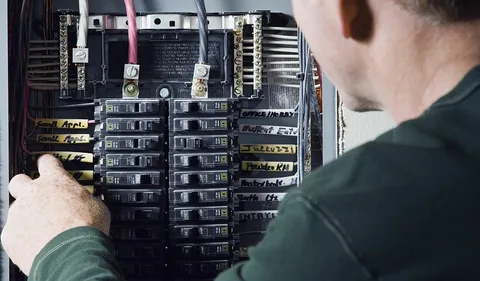
EV charger installation near me in Fresno, TX should begin with an evaluation of the home’s existing electrical system. Electric vehicles can require a dedicated circuit and substantial electrical capacity, depending on the charger and vehicle requirements.
The electrical panel should have enough capacity to support the charger without creating problems for existing household circuits. A professional evaluation can identify whether the current panel can handle the additional load or whether electrical improvements may be necessary.
The charger’s location also matters. Homeowners should consider where the vehicle is normally parked and how the charging cable will reach the vehicle. A convenient location can reduce cable strain and make everyday charging easier.
Choosing the Right Home EV Charger
Not every EV charger provides the same charging speed or installation requirements. Level 1 charging typically uses a standard household outlet, while Level 2 charging generally requires a dedicated electrical circuit and provides faster charging.
Homeowners who drive frequently may prefer a faster charging setup because it can provide more charging capacity during the time the vehicle is parked at home. However, the best option depends on the vehicle, driving habits, available electrical capacity, and homeowner expectations.
The charger should also be compatible with the vehicle. Before purchasing equipment, homeowners should confirm the connector type, charging requirements, electrical specifications, and installation instructions.
Residential EV Car Charger Setup in Pearland, TX
A residential EV car charger setup in Pearland, TX should account for both the vehicle’s charging requirements and the home’s electrical infrastructure. The installation location needs suitable access to the electrical system while remaining practical for everyday vehicle use.
The electrical route between the panel and charger can affect installation complexity. A charger located close to the panel may require less wiring than one installed farther away in a garage, driveway area, or detached structure.
Outdoor installations require additional consideration. The equipment should be appropriate for its environment, and the installation should protect electrical connections from weather exposure according to the equipment requirements.
EV Charging Station Electrician in Pearland, TX
An EV charging station electrician in Pearland, TX can evaluate the electrical system before installation and determine what the charger requires. This includes reviewing panel capacity, circuit requirements, wiring, grounding, and the proposed installation location.
The electrician also needs to consider how the new charger will interact with the home’s existing electrical demand. Air conditioning systems, electric water heaters, ranges, dryers, and other high-demand equipment may already place significant loads on the electrical system.
Proper planning helps ensure the EV charger becomes part of the electrical system without overlooking other household requirements.
Comparing EV Charging Options
| Charging Option | Typical Use | Main Consideration |
| Level 1 Charger | Basic home charging | Slower charging rate |
| Level 2 Charger | Faster residential charging | Requires suitable electrical capacity |
| Public Charging Station | Travel and longer trips | Availability varies by location |
| Dedicated Home Charger | Regular daily charging | Requires proper electrical installation |
The right charging option depends on the vehicle, driving habits, charging schedule, electrical system, and installation location.
Common EV Charger Installation Mistakes
One common mistake is purchasing a charger before checking the home’s electrical capacity. A charger may meet the vehicle’s requirements but still require electrical improvements before installation.
Another mistake is choosing a location based only on convenience. The charger should be positioned where the cable can safely reach the vehicle without creating unnecessary obstacles around walkways, doors, or parking areas.
Homeowners may also overlook the distance between the electrical panel and charger. Longer wiring runs can affect the installation requirements and overall project scope.
Using an unsuitable extension cord or improvised connection is another concern. EV charging can place sustained electrical demand on the system, so the equipment and wiring should match the charger’s requirements.
Best Practices for Home EV Charging
A good EV charging setup starts with accurate information about the vehicle. Homeowners should know the vehicle’s recommended charging equipment and understand how much daily charging they typically need.
The home’s electrical system should also be evaluated before equipment selection. This can reveal whether the existing panel has sufficient capacity or whether an upgrade or other electrical work may be appropriate.
Cable placement deserves attention as well. The charging cable should reach the vehicle without creating a trip hazard or placing unnecessary strain on the connector.
Homeowners should also follow the manufacturer’s instructions for operation and maintenance. Regularly checking the charger, cable, and visible connections can help identify signs of wear or damage.
Actionable Tips Before Installing an EV Charger
Before scheduling installation, determine where the vehicle will normally be parked and how far that location is from the electrical panel. This helps establish a practical charger location and wiring route.
Review the vehicle manufacturer’s charging recommendations and compare them with the electrical requirements of the charger you plan to use. Avoid choosing equipment based only on charging speed.
It is also useful to identify other major electrical equipment in the home. Knowing when large appliances operate can help provide a clearer picture of household electrical demand.
If the charger will be installed outdoors, consider weather exposure, equipment placement, cable storage, and access to the vehicle before finalizing the location.
Factors That Affect EV Charger Installation
Several factors can influence an EV charger installation, including charger type, vehicle requirements, panel capacity, wiring distance, installation location, existing electrical equipment, and whether the charger will be indoors or outdoors.
The condition of the electrical panel and wiring can also affect the project. Older electrical systems may require additional evaluation before supporting new high-demand equipment.
Future electrical plans matter as well. Homeowners who expect to add another EV, electric appliance, or other high-demand equipment should consider those plans when discussing the electrical setup.
Conclusion
A properly planned EV charger installation near me in Fresno, TX can make home EV charging more convenient while integrating the charger into the home’s existing electrical system. The right setup depends on charger selection, electrical capacity, wiring, placement, vehicle requirements, and safe installation practices.
For homeowners in Fresno, TX and Pearland, TX, understanding residential EV car charger setup in Pearland, TX and working with an EV charging station electrician in Pearland, TX can support better planning before installation begins. South West Electric helps homeowners approach EV charging projects with attention to electrical capacity, equipment requirements, installation location, and long-term usability.
FAQ
What is needed for EV charger installation at home?
A home EV charger may require a suitable electrical panel, dedicated circuit, appropriate wiring, proper grounding, compatible charging equipment, and a practical installation location.
Is Level 2 charging better for home use?
Level 2 charging can provide faster charging than Level 1, but the appropriate option depends on the vehicle, driving habits, electrical capacity, and homeowner needs.
Can any home install an EV charger?
Many homes can support an EV charger, but the electrical system should be evaluated first. Panel capacity, wiring, equipment requirements, and installation location can affect the project.
How do I choose an EV charging station electrician in Pearland, TX?
Consider experience with residential EV charging, knowledge of electrical load requirements, proper installation practices, equipment compatibility, and the condition of the home’s existing electrical system.
Does an EV charger require its own circuit?
Many residential Level 2 chargers require a dedicated circuit. The exact electrical requirements depend on the charger specifications and the vehicle’s charging needs.