South West Electric helps Rosharon homeowners and businesses plan safe, practical EV charger installations. A qualified electrician can check your electrical panel, select suitable equipment, install the wiring, and test the finished charging point.
Home charging gives you a convenient way to recharge your vehicle overnight. It can suit commuters, families with more than one electric vehicle, and companies that want workplace charging. But which charger fits your property? Can your existing electrical service handle it? A site assessment gives you clear answers before work begins.
In Texas, electrical work must follow state licensing rules. The Texas Department of Licensing and Regulation states that non-exempt electrical work must be completed through a licensed electrical contractor.
Why Install an EV Charger at Home?
Many drivers start with the charging cable supplied with their vehicle. This setup uses a standard 120-volt outlet and may suit people who drive short distances. The U.S. Department of Energy reports that Level 1 charging can add about 2 to 5 miles of range per hour.A Level 2 charger uses a 240-volt circuit and provides much faster charging. It suits drivers who travel daily, return home with a low battery, or want a full charge by morning.
A Rosharon electrician can install a charger in a garage, carport, driveway, or commercial parking area. Outdoor installations need equipment rated for weather exposure, secure mounting, suitable conduit, and protection from heat and moisture.
EV Charger Types for Local Properties
Different charging systems provide different charging speeds, electrical requirements, and control features. Choosing the right option depends on your driving habits, vehicle, available electrical capacity, and property layout.
Level 1 Chargers
Level 1 charging uses a regular household outlet. It has a lower setup cost and may work for light driving. The main drawback is slower charging, especially for vehicles with larger batteries.
Level 2 Chargers
Level 2 EV charger installation requires a dedicated 240-volt circuit. The electrician may install a wall-mounted unit, a hard-wired charger, or a suitable outdoor receptacle.
The U.S. Department of Energy states that residential Level 2 equipment commonly uses 240 volts and can charge a typical EV overnight.
Smart EV Chargers
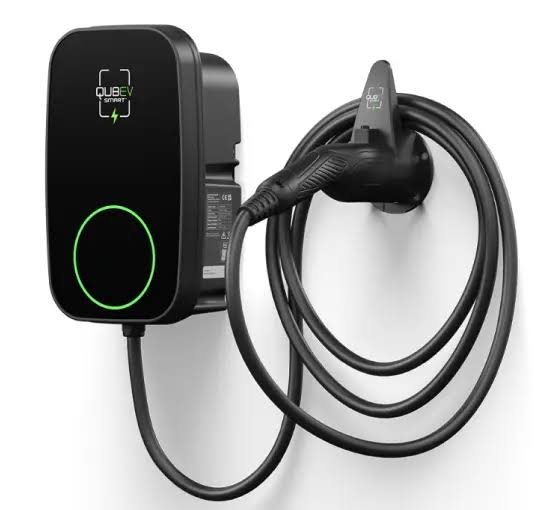
Smart chargers in Stafford connect to an app and may let you set charging times, monitor energy use, and control access. They can suit households that want scheduled charging or businesses that need usage records.
Commercial Charging Stations
Businesses, apartments, offices, and fleet operators may need several charging points. Commercial EV charger installation in Stafford may include network controls, payment functions, signage, parking layout changes, and a larger electrical service.
How EV Charger Installation Works
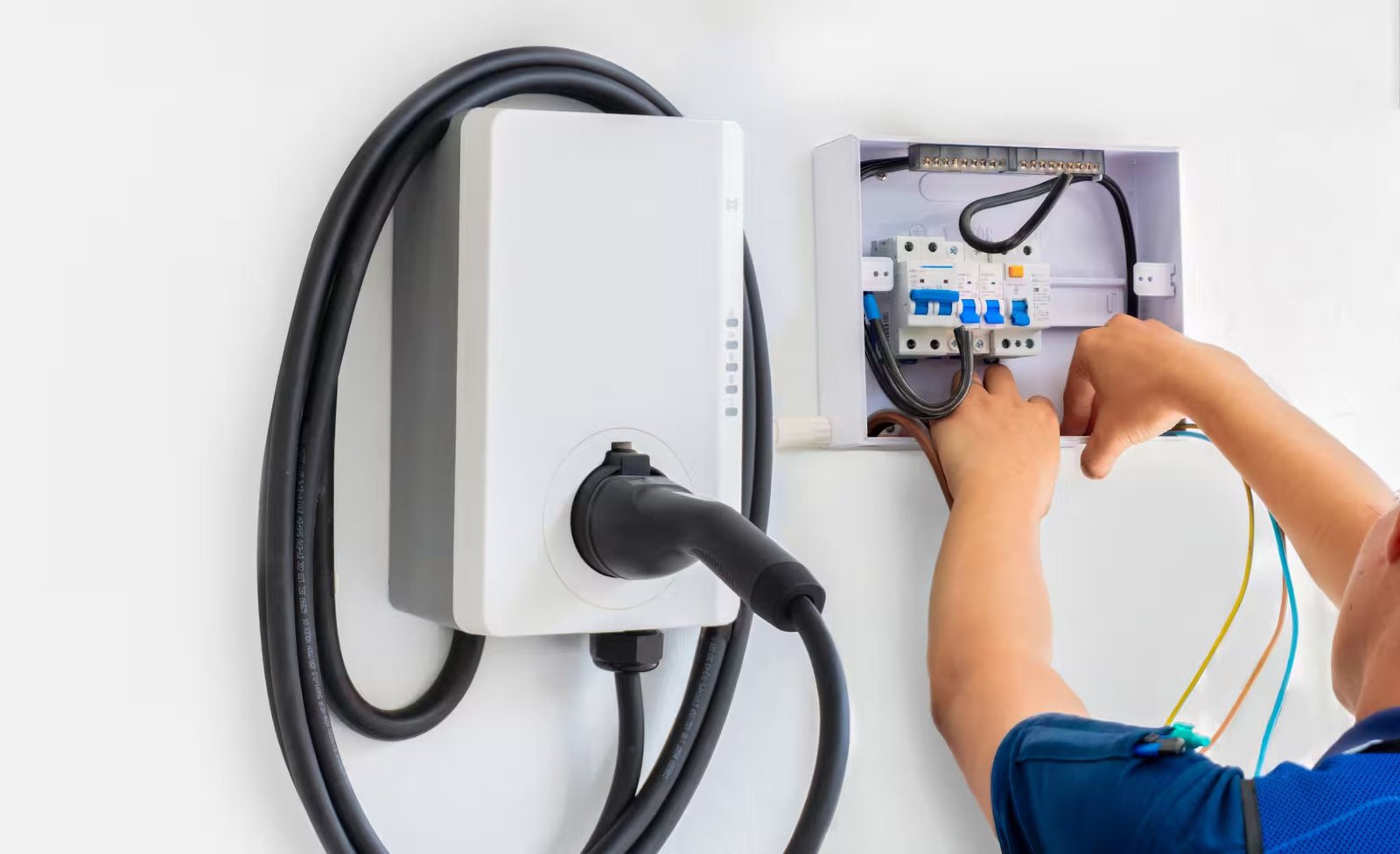
A professional installation starts with an electrical assessment. The electrician checks your main panel, breaker space, grounding, service rating, and the location of your parking space.
Next, the contractor performs a load calculation. This check includes major appliances such as air conditioners, electric water heaters, ovens, pools, and workshops. If the panel lacks capacity, you may need a load management device, panel upgrade, or service change.
The electrician then selects the charger, cable size, breaker, conduit, and mounting method. A long route between the panel and charger can require more materials, wall access, trenching, or surface repairs.
Permit rules depend on the local authority for your property. Ask who will confirm requirements and arrange inspections. Texas has specific laws and rules covering electrical work and electric vehicle charging equipment.
After wiring and mounting, the electrician tests voltage, grounding, circuit protection, and charging performance. You should receive basic operating instructions, warranty details, and information about future service.
How to Prepare Your Electrical Panel for a Level 2 Charger
Before installing a Level 2 charger, an electrician should inspect the electrical panel and calculate the home’s existing electrical demand.
Check Available Breaker Space
The panel needs suitable space for the dedicated circuit required by the charger. A crowded panel may require electrical modifications before installation.
Confirm Electrical Service Capacity
Your electrician should check whether the existing electrical service can support the charger along with air conditioning, appliances, water heating, and other major loads.
Consider a Panel Upgrade
An older or undersized panel may need an upgrade before a high-powered Level 2 charger can be added. A load management system may provide another option for some properties.
Average EV Charger Installation Costs in Rosharon
A simple residential project may cost about $1,000 to $2,500. The final amount depends on the charger, wiring distance, electrical panel, permit fees, mounting surface, and outdoor work.
A longer installation may cost more because it needs additional cable, conduit, trenching, or wall repairs. A panel upgrade can raise the project total by several thousand dollars.
Commercial projects usually cost more because they may need multiple chargers, site work, larger service capacity, and network equipment.
Ask for a written quote that separates equipment, labour, permits, materials, testing, and possible upgrades. This makes it easier to compare contractors fairly.
Common Permitting Requirements for Rosharon Electrical Upgrades
Permit requirements can depend on the property’s exact jurisdiction and the scope of electrical work. Installation of a new 240-volt circuit, electrical panel modifications, service changes, or outdoor wiring may require permits and inspections.
A qualified electrical contractor should identify which authority has jurisdiction over the property and determine the applicable requirements before starting work.
Ask whether permit fees are included in your estimate and who will schedule any required electrical inspection.
Smart EV Chargers vs Standard Models
Both charger types can provide effective home charging, but their features differ.
Standard EV Chargers
Standard models focus mainly on supplying power to the vehicle. They may suit drivers who want simple controls without app-based monitoring or scheduling.
Smart EV Chargers
Smart models can provide charging schedules, energy monitoring, remote controls, access management, and other connected functions. These features may help households monitor electricity use or schedule charging during preferred hours.
Your vehicle compatibility, budget, Wi-Fi availability, and charging habits should guide the decision.
How to Choose an EV Charger Electrician Near You
Look for a licensed electrical contractor with experience in home and commercial EV charging station installation. Ask whether the electrician has worked with your vehicle brand, charger model, property type, and electrical service size.
A dependable provider should explain the load calculation in plain language. They should identify the charger rating, circuit size, cable route, permit needs, inspection process, and warranty coverage.
A specialist such as South West Electric may understand local property layouts, Texas weather, permit steps, and equipment suited to outdoor conditions. A general handyman may not carry the licensing, insurance, or electrical experience needed for this type of work.
Questions to Ask Before Hiring
- Will you inspect my electrical panel before recommending a charger?
- Do you handle permits and inspections?
- Is the charger hard-wired or plug-connected?
- What happens if my panel needs an upgrade?
- Does the price include testing and setup?
- What warranty covers the equipment and installation?
Safety Benefits of Professional EV Charger Wiring Inspections
EV chargers in Pearland can draw significant electrical power for several hours. Correct circuit sizing, breaker selection, grounding, wiring, and connections matter for reliable operation.
A professional wiring inspection can identify loose connections, damaged wiring, unsuitable breaker sizes, poor grounding, or signs of overheating.
Outdoor charging points need extra attention because equipment can face rain, humidity, heat, and physical damage. An electrician can check weather-resistant fittings, conduit, mounting, cable condition, and protective equipment.
Routine inspection becomes particularly useful if charging becomes inconsistent, breakers begin tripping, plugs become unusually warm, or the charger shows visible damage.
Conclusion
Start with a site assessment and electrical load calculation. These steps show which charger fits your vehicle, parking area, and electrical service. If you need local help, contact South West Electric to discuss equipment, permits, installation costs, and future charging needs.
A clear plan can help you avoid unsuitable equipment and unexpected electrical work. With the right contractor, your Rosharon property can support safe, convenient EV charging.
FAQ’s
Who Installs EV Chargers in Stafford?
A licensed electrician or electrical contractor installs EV chargers in Rosharon. The contractor should assess your electrical service, install the correct circuit, mount the charger, test the system, and explain safe operation. South West Electric serves as a local example of a provider that handles EV charging work for residential and commercial properties.
How Much Does Home EV Charger Installation Cost?
Many basic home installations cost about $1,000 to $2,500. A longer cable run, outdoor work, trenching, permit fees, or panel upgrade can increase the price. Request a written estimate after the electrician inspects your panel and confirms the charger location.
Do I Need a Permit for EV Charger Installation in Rosharon?
Permit requirements vary by property location and project scope. A new 240-volt circuit, outdoor wiring, or panel upgrade may require approval and inspection. Ask your contractor to confirm the current rules with the authority having jurisdiction before installation begins.
Can an EV Charger Handle Rosharon’s Hot Climate?
Yes, if you select equipment rated for outdoor use and install it correctly. The electrician should use weather-resistant fittings, suitable conduit, secure mounting, and a protected location. Regularly check the cable, plug, and enclosure for visible damage.
Is Level 2 EV Charger Installation Worth the Cost?
Level 2 charging suits drivers who travel daily or need faster overnight charging. It costs more than using a standard outlet, but it can make home charging much more practical. Your electrician should confirm that your panel and service can support the required circuit.