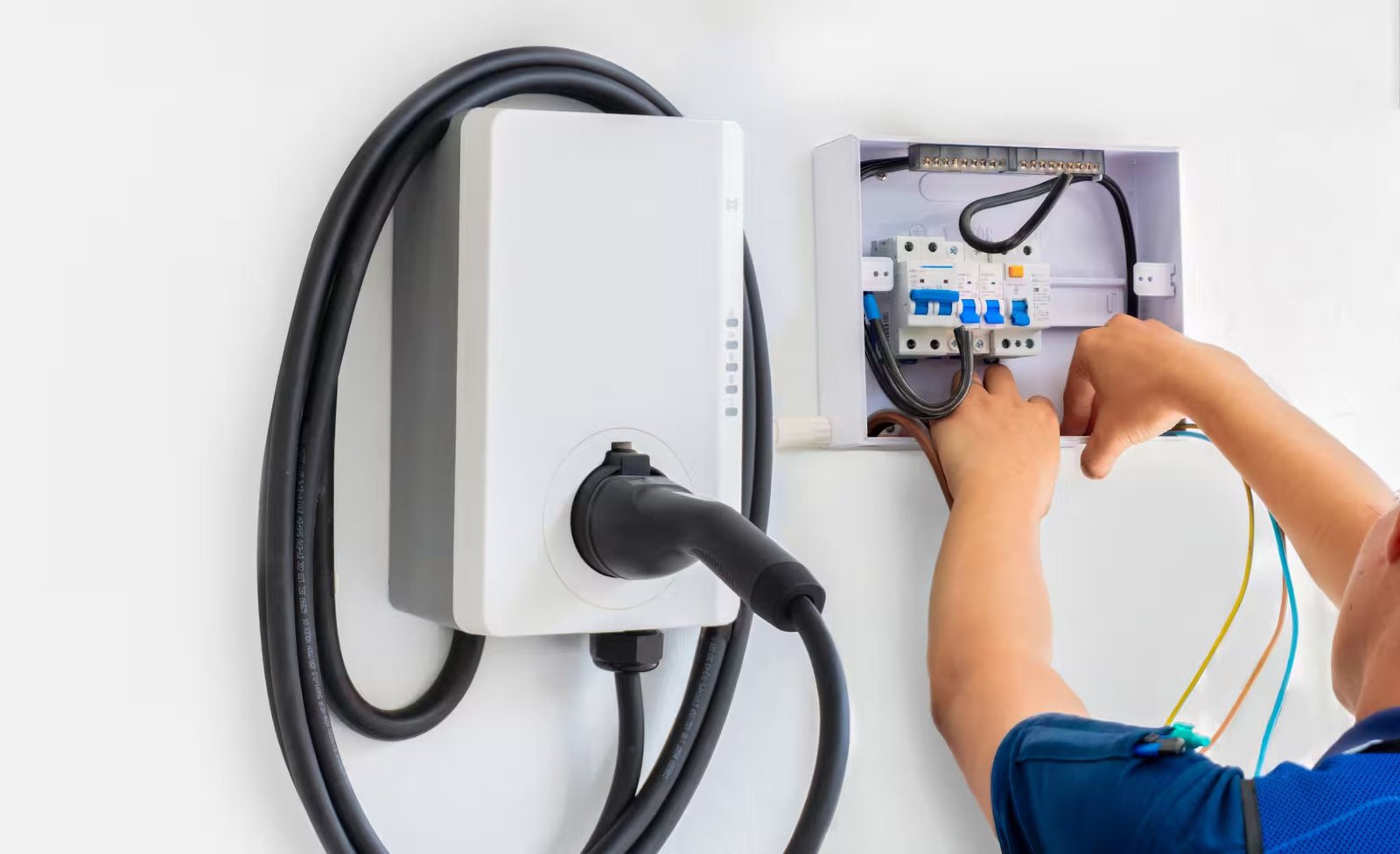
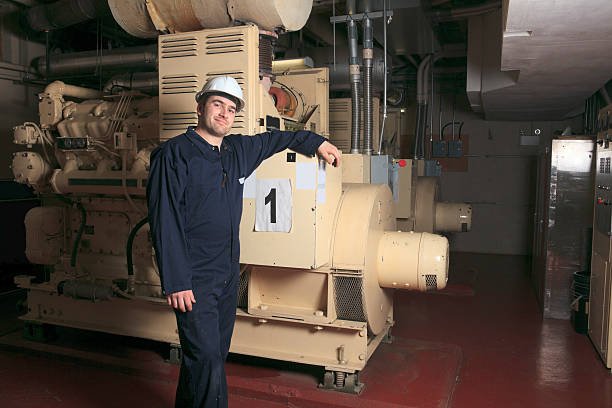
Power outages can interrupt lighting, refrigeration, HVAC equipment, internet access, home offices, security systems, and other electrical equipment that families depend on every day. Installing a generator can provide an alternative source of power, but dependable operation requires much more than placing the equipment outside and connecting a few wires. Investing in Reliable Generator Hookup Services helps homeowners create an electrical connection designed around generator capacity, household electrical demand, panel configuration, and the equipment that needs backup power. Homeowners in Pearland, TX and Stafford, TX should understand how generator connections work before deciding which circuits they want to support. Southwest Electric Company provides electrical solutions for homes and properties throughout the Houston-area market.
A generator hookup may involve dedicated wiring, transfer equipment, breaker-panel connections, grounding considerations, and evaluation of the home’s existing electrical capacity. Proper planning helps homeowners determine which appliances and systems should remain available during an outage without placing unnecessary demand on the generator.
Why Professional Generator Hookups Matter
A generator produces electricity, but that electricity must be introduced into the home’s electrical system in a controlled way. Improper connections can create serious electrical problems and may damage equipment.
Connecting Backup Power to the Home Correctly
A professional generator hookup may involve evaluating:
- Generator capacity
- Existing electrical panel
- Essential circuits
- Transfer equipment
- Wiring requirements
- Generator location
- Electrical loads
- Future backup-power needs
The objective is to create a system that allows selected electrical circuits to receive generator power when normal utility service is unavailable.
Homeowners should first determine what they expect the generator to operate. Keeping a refrigerator, several lights, and internet equipment running requires a different electrical plan than supporting central air conditioning, electric cooking equipment, and multiple household appliances.
Clear expectations make it easier to choose an appropriate generator connection strategy.
Understanding Generator Capacity
Generators are available in different sizes because properties use different amounts of electricity.
Match Generator Output With Actual Electrical Demand
Homeowners should not assume that a larger generator is automatically the best choice. The appropriate capacity depends on which electrical loads need backup power.
Common priorities may include:
- Refrigerators and freezers
- Lighting circuits
- Internet and communications equipment
- Security systems
- Garage equipment
- Selected outlets
- Heating or cooling equipment
- Pumps
- Home office equipment
Some appliances require significantly more power when starting than they use during normal operation.
Because several devices may operate at the same time, electrical demand should be considered as a complete load rather than evaluating each appliance independently.
A professional assessment can help homeowners determine whether the planned generator can support the desired circuits without creating unnecessary overload conditions.
Standby Generator Electrical Hookup in Pearland, TX
A standby generator system is typically designed to provide backup electrical power when normal utility service is interrupted. Proper electrical integration is one of the most important parts of the installation.
Standby Generator Electrical Hookup in Pearland, TX
Homeowners planning a Standby Generator Electrical Hookup in Pearland, TX should begin by evaluating the existing electrical panel and deciding which parts of the home need backup power.
Important planning considerations include:
- Main panel configuration
- Available electrical capacity
- Generator output
- Transfer equipment
- Selected circuits
- Large appliance loads
- Future electrical additions
The hookup should be planned around how the household actually uses electricity.
A family working from home may prioritize the internet, computers, refrigeration, lighting, and air conditioning. Another homeowner may focus on refrigeration, basic lighting, security equipment, and essential outlets.
Defining these priorities before installation prevents unnecessary electrical work and makes the backup-power system easier to understand.
Why Transfer Equipment Is Important
One of the most important components in many generator systems is the equipment that controls how the home switches between utility electricity and generator power.
Keeping Power Sources Properly Managed
Transfer equipment helps prevent utility power and generator power from being connected incorrectly.
Depending on the system, power switching may be handled manually or automatically.
The electrical setup may consider:
- Utility service
- Generator input
- Selected circuits
- Main panel connections
- Backup electrical loads
- Switching controls
Homeowners should understand how their particular system operates before an outage occurs.
If manual operation is required, instructions should be kept accessible and household members should know the correct procedure.
Automatic systems may require less homeowner involvement during an outage, but proper installation and periodic testing remain important.
Choosing Which Circuits Need Backup Power
Most homeowners do not need every electrical device operating during a temporary outage.
Prioritize Essential Loads First
Start by identifying electrical equipment that is most important for safety, comfort, food storage, communication, and daily routines.
Essential circuits might include:
- Refrigerator
- Freezer
- Selected lighting
- Internet equipment
- Security systems
- Important outlets
- Medical equipment where applicable
- Heating or cooling equipment when supported
Secondary loads can then be considered Best Generator Hookup Services capacity remains available.
High-demand appliances deserve particular attention. Electric water heaters, electric ranges, dryers, large HVAC systems, and other equipment may require considerable power.
Trying to support too many large loads can reduce the usefulness of the generator system.
Planning backup circuits carefully creates a more predictable system during an actual outage.
Evaluating the Existing Electrical Panel
The electrical panel is central to generator integration because it distributes electricity throughout the property.
Generator Planning Should Include Panel Condition
Before connecting a generator, electricians may evaluate:
- Panel capacity
- Breaker condition
- Available breaker space
- Existing circuit organization
- Wiring condition
- Grounding and bonding
- Planned generator load
An older or crowded panel may require additional consideration before generator equipment is connected.
This does not mean every generator project requires a new electrical panel.
The purpose of the inspection is to determine whether the existing system can support the planned connection and whether any improvements should be completed beforehand.
Homeowners planning other electrical upgrades can also discuss them at the same time so future work does not conflict with the generator setup.
Home Generator Connection Services in Stafford, TX
Home generators are most useful when the electrical connection has been planned around the property’s actual needs rather than treated as a generic installation.
Home Generator Connection Services in Stafford, TX
Trusted Home Generator Connection Services in Stafford, TX may include evaluating circuits, electrical-panel configuration, generator capacity, and the method used to introduce backup power into the home.
Before installation, homeowners should identify:
- Essential appliances
- Important rooms
- High-demand electrical equipment
- Home office requirements
- Internet and communications needs
- Security equipment
- Future electrical upgrades
A household with several large electrical loads may require a different connection plan than a smaller property with only basic backup needs.
Homeowners should also consider how priorities might change later. Adding an EV charger, workshop, larger HVAC system, or other equipment can change overall electrical demand even if those devices are not intended to run from generator power.
Thinking ahead helps create a cleaner long-term electrical plan.
Portable vs. Standby Generator Connections
Portable and standby generators can both provide backup electricity, but their electrical connections and operating procedures may differ.
Understand How the System Will Be Used
Portable generators are commonly brought into service when needed, while standby systems remain installed at the property.
When comparing options, consider:
- Desired backup capacity
- Frequency of outages
- Equipment that needs power
- Storage requirements
- Generator placement
- Connection method
- Operating convenience
- Maintenance needs
A homeowner who only needs basic emergency power may have different needs than someone who wants a more integrated backup system.
Regardless of generator type, electricity should be introduced into the home’s electrical system through an appropriate connection method.
Temporary improvisation around electrical connections should be avoided.
Generator Location and Electrical Planning
Generator placement affects both the physical installation and the electrical connection.
Choose the Location Before Finalizing Wiring
The generator location may influence:
- Cable routing
- Distance from the electrical panel
- Equipment access
- Outdoor conditions
- Maintenance access
- Installation layout
Generator manufacturers and applicable installation requirements may also specify placement considerations.
Homeowners should therefore select equipment and installation location before electrical work is finalized.
Moving the generator after wiring routes have been planned can create unnecessary changes.
A coordinated installation approach helps the generator, electrical connections, and surrounding property work together more effectively.
Why Dedicated Wiring Matters
Generator connections may require wiring selected according to the electrical load and equipment being installed.
Electrical Components Must Work Together
Wire size and circuit protection depend on electrical requirements rather than convenience.
The installation may involve:
- Generator conductors
- Breakers
- Transfer equipment
- Panel connections
- Disconnecting equipment where applicable
- Control wiring
Using components that match the electrical design helps create a more dependable connection.
Existing household wiring should also be considered if older circuits will receive backup power.
The objective is to ensure that the generator connection integrates correctly with the rest of the electrical system rather than functioning as an isolated addition.
Generator Hookups During Home Remodeling
A remodeling project can be a convenient time to consider backup-power improvements because walls, electrical panels, or other areas may already be accessible.
Coordinate Generator Wiring With Other Electrical Work
Homeowners planning renovations may also be adding:
- New circuits
- Appliances
- Lighting
- Additional outlets
- HVAC equipment
- Home offices
- Outdoor electrical equipment
These improvements change how electricity is distributed throughout the property.
Planning the generator system at the same time allows backup circuits to be selected after the new electrical layout is understood.
This is particularly useful during larger renovations where the electrical panel or service is already being modified.
Coordinated planning may also prevent homeowners from completing new finishes and then reopening walls or electrical areas for generator wiring shortly afterward.
Preparing for High-Demand Appliances
Some household appliances require significantly more electrical power than standard lighting or receptacle circuits.
Decide Whether Large Loads Need Backup Power
Examples can include:
- Central air conditioning
- Electric water heaters
- Electric ranges
- Well pumps
- Large workshop equipment
- Electric dryers
Homeowners should decide which of these devices, if any, must operate during an outage.
Trying to power every large appliance may require substantially more generator capacity.
In many homes, prioritizing a smaller group of essential loads provides a more practical backup strategy.
An electrician can help explain how individual loads affect the generator’s total electrical requirements.
Testing the Generator Connection
A backup-power system should not remain completely untested until the first major outage.
Confirm Operation Before Emergency Conditions
Testing can help verify that:
- Transfer equipment operates correctly
- Selected circuits receive power
- Generator capacity is adequate
- Household members understand operation
- Electrical connections function as intended
Homeowners should follow the generator manufacturer’s maintenance and testing recommendations.
Standby systems may include automatic testing features, while other setups may require more homeowner involvement.
Keeping operating instructions in an accessible location can also be helpful.
An outage is not the ideal time to learn how the system works for the first time.
Generator Maintenance Supports Dependable Operation
Electrical hookup is only one part of long-term generator reliability.
The Generator Itself Also Needs Routine Care
Maintenance requirements depend on the generator type and manufacturer.
Homeowners may need to monitor:
- Fuel supply
- Battery condition
- Oil and filters
- Starting performance
- Warning indicators
- Physical equipment condition
Electrical components should also be inspected when performance changes or when modifications are made to the home’s electrical system.
For example, a major panel upgrade or addition of new high-demand equipment may justify reviewing how the generator system fits into the updated electrical layout.
Keeping both the generator and electrical connection maintained improves readiness for future outages.
Avoiding Generator Overload
A generator can only provide a limited amount of electrical power.
Do Not Treat Backup Power Like Unlimited Utility Service
During an outage, homeowners may need to manage electrical usage more carefully.
Avoid turning on several high-demand appliances at the same time unless the generator system was specifically designed to support them.
Instead, prioritize:
- Essential refrigeration
- Necessary lighting
- Communications
- Important outlets
- Selected comfort equipment
Understanding generator limits helps homeowners avoid repeated overloads or unexpected shutdowns.
Electrical-panel labeling can also make it easier to understand which circuits receive backup power.
A clear, organized system is easier to operate when household routines are already being disrupted by a utility outage.
Planning for Future Electrical Needs
Backup-power planning should not focus only on today’s equipment.
Consider How the Property May Change
Future additions may include:
- EV charging
- Larger HVAC equipment
- Home additions
- Workshop circuits
- Outdoor kitchens
- Pool equipment
- New appliances
- Home office expansion
Not all future equipment needs generator backup, but it may still influence electrical-panel capacity and system planning.
Discussing expected improvements during the initial generator project can help homeowners understand whether future changes are likely to affect the electrical setup.
Long-term planning can reduce the need to redesign electrical connections every time another improvement is made.
Why Professional Electrical Evaluation Matters
Generator hookups involve the interaction of several electrical components and power sources.
Start With the Existing System
A professional evaluation can review:
- Current panel
- Household electrical loads
- Generator capacity
- Circuit priorities
- Wiring
- Transfer equipment
- Future needs
This provides a clearer picture before installation begins.
Southwest Electric Company works with residential electrical systems and generator hookups throughout Houston-area communities, helping property owners coordinate backup-power connections with existing panels and circuits.
The goal should be a practical system that homeowners understand and can depend on when normal utility power is unavailable.
Conclusion
A generator can provide valuable backup power during outages, but dependable performance begins with a properly planned electrical connection. Generator capacity, household loads, electrical panels, transfer equipment, wiring, and circuit priorities must all be considered before installation.
Homeowners should begin by deciding which appliances and systems are truly essential during an outage. From there, an electrical evaluation can determine how the generator should connect with the existing system and whether other improvements are needed.
Whether you are planning a Home Generator Connection Services in Stafford, TX professional planning can help create a backup-power system that supports the electrical needs that matter most. Proper installation, testing, and routine maintenance can keep the system better prepared when utility power is interrupted.
FAQs
What is involved in a home generator hookup?
A generator hookup may involve connecting the generator to appropriate transfer equipment, wiring, breakers, selected household circuits, and the existing electrical panel.
Can a generator power my entire house?
That depends on the generator’s capacity and the home’s electrical demand. Some systems support whole-home loads, while others are designed only for selected essential circuits.
Why is transfer equipment important for a generator?
Transfer equipment manages how electrical power moves between utility service and generator power, helping keep the two power sources properly controlled.
Should my electrical panel be inspected before generator installation?
Yes. Evaluating panel capacity, breaker space, wiring, and existing electrical demand can help determine how the generator should be connected.
Can I add more backup circuits later?
Possibly. Additional circuits depend on generator capacity, panel configuration, electrical loads, and the design of the existing backup system. A professional evaluation can determine whether expansion is practical.